Back
Mar 12, 2026
How to Vet a Skincare Lab for Product Safety and Compliance
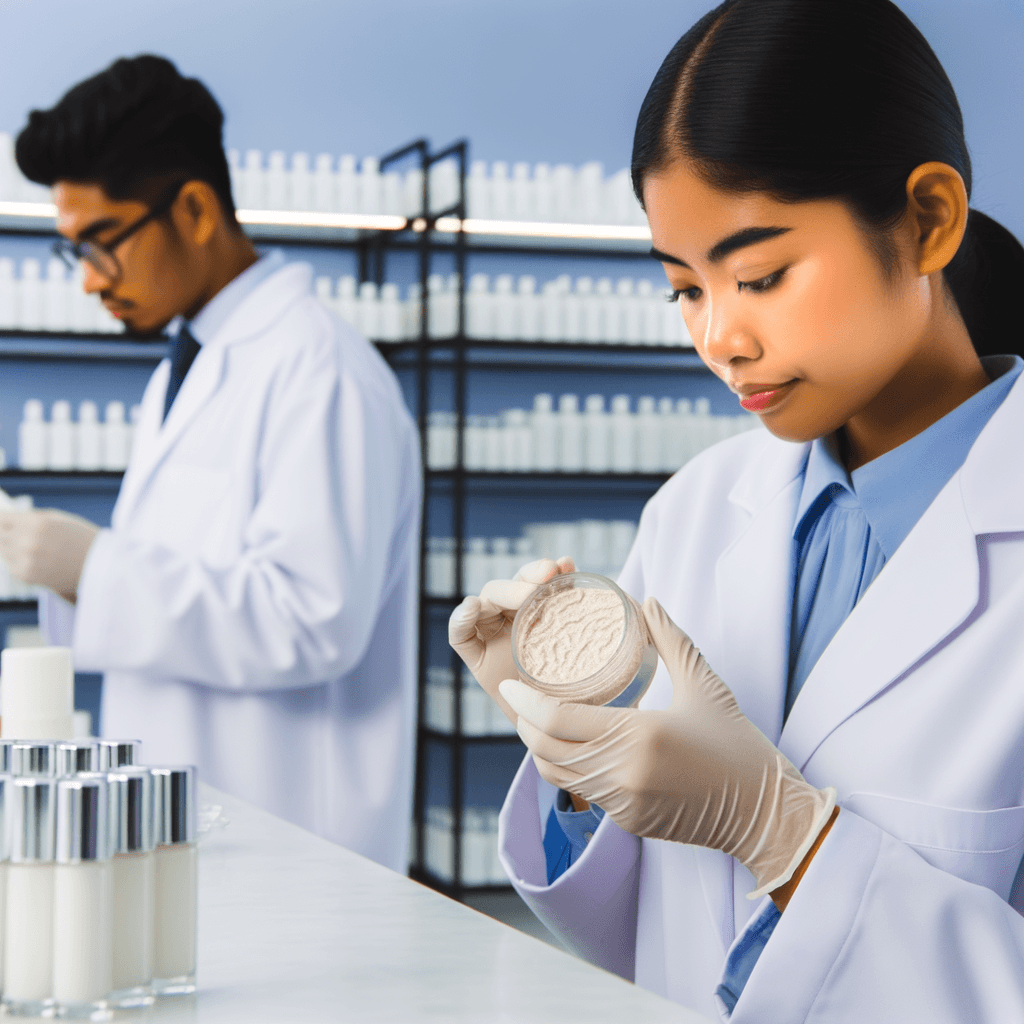
Choosing the right skincare lab is a critical decision for eCommerce and DTC brands aiming to deliver safe, compliant, and high-quality products. With increasing consumer scrutiny and evolving regulations, vetting a skincare lab for product safety and compliance is more important than ever. Here’s a step-by-step guide to help sourcing managers, operators, and founders navigate this essential process.
Start by researching the lab’s credentials. A reputable skincare lab should hold certifications such as ISO 22716 (Good Manufacturing Practices for cosmetics) and be registered with relevant authorities like the FDA. Ask for documentation and verify their compliance status. This initial check ensures the lab follows standardized procedures for product safety and compliance, reducing your risk from the outset.
Next, evaluate the lab’s experience with your product category. Not all labs are created equal—some specialize in skincare, while others may focus on haircare or supplements. Request case studies or references from brands with similar products. This step helps you confirm that the lab understands the unique safety and compliance requirements for skincare formulations, including ingredient restrictions and allergen management.
Assess the lab’s testing protocols. Reliable skincare labs conduct rigorous safety and stability testing, including microbial, preservative efficacy, and dermatological tests. Ask for detailed descriptions of their testing processes and sample reports. This transparency is crucial for ensuring your products meet both regulatory and consumer safety standards.
Review the lab’s documentation practices. Proper record-keeping is a cornerstone of product safety and compliance. The lab should provide comprehensive batch records, Certificates of Analysis (COAs), and Safety Data Sheets (SDS) for every product. These documents are essential for traceability and for demonstrating compliance during audits or recalls.
Don’t overlook regulatory expertise. The skincare industry is governed by complex regulations that vary by market. Your lab should have in-house regulatory experts or partnerships with consultants who stay updated on global compliance requirements. This expertise helps you avoid costly missteps, such as using banned ingredients or making unsubstantiated claims.
Visit the facility if possible. A site visit allows you to observe hygiene standards, equipment maintenance, and staff training firsthand. Look for signs of a well-organized, clean, and safety-conscious environment. If an in-person visit isn’t feasible, request a virtual tour or recent audit reports.
Finally, evaluate communication and responsiveness. A trustworthy skincare lab should be transparent, proactive, and willing to answer your questions about product safety and compliance. Clear communication is vital for resolving issues quickly and maintaining a strong partnership as your brand grows.
Vetting a skincare lab for product safety and compliance is a multi-step process that protects your brand’s reputation and ensures consumer trust. By following these best practices—verifying certifications, assessing experience, reviewing testing protocols, checking documentation, confirming regulatory expertise, and evaluating communication—you can confidently select a lab that meets your standards.
Want to automate this process? Meet Made AI — your AI-powered sourcing assistant.