Back
May 8, 2026
What Goes Wrong in Sampling (and How to Fix It) for eCommerce
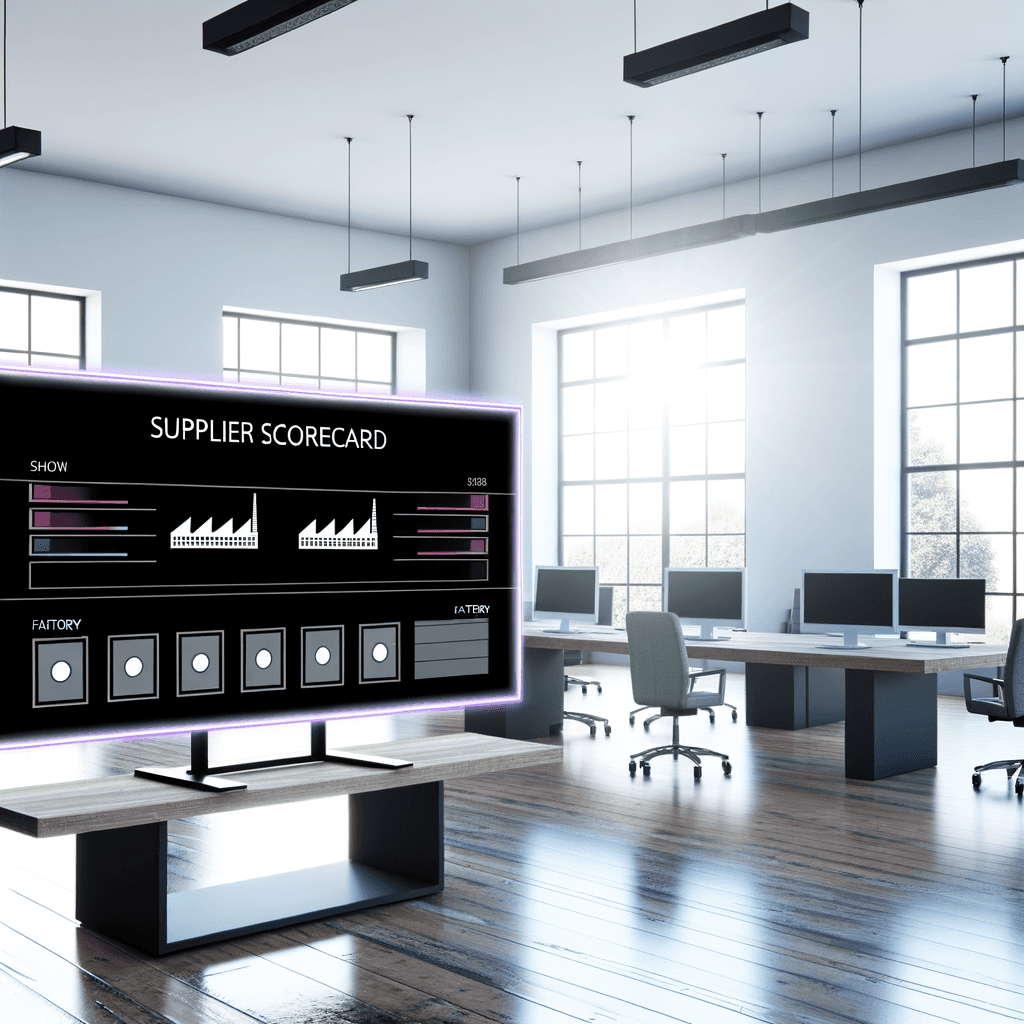
Sampling is a critical step in the product sourcing process for eCommerce and DTC brands. It’s the bridge between a promising supplier quote and a successful product launch. Yet, even experienced sourcing managers and operators know that sampling can go wrong in unexpected ways. Understanding what goes wrong in sampling—and how to fix it—can save your business time, money, and headaches.
Common Sampling Pitfalls in eCommerce Sourcing
One of the most frequent issues is miscommunication between brands and suppliers. Product specifications, materials, or finishes may be misunderstood, leading to samples that don’t match expectations. This is especially common when working with overseas suppliers or when language barriers exist.
Another challenge is inconsistent sample quality. Sometimes, the first sample looks perfect, but subsequent samples or production runs fall short. This inconsistency can stem from unclear documentation, lack of standardized processes, or suppliers cutting corners to save costs.
Delays are another major pain point. Sampling timelines often stretch due to slow supplier responses, shipping issues, or back-and-forth revisions. These delays can push back your entire product launch schedule, impacting revenue and market competitiveness.
Finally, hidden costs can derail your sampling process. Unexpected charges for sample production, shipping, or customs can eat into your margins and make it harder to compare suppliers on a level playing field.
How to Fix Sampling Problems with Better Processes and AI
The first step to fixing sampling issues is to standardize your communication. Use clear, detailed product specification sheets and visual references. Make sure every requirement—dimensions, materials, colors, finishes, packaging—is documented and confirmed by the supplier. This reduces the risk of misunderstandings and ensures everyone is on the same page.
Next, implement a structured sampling workflow. Track every sample request, supplier response, and feedback loop in a centralized system. This makes it easier to compare samples, spot inconsistencies, and hold suppliers accountable for quality.
Leveraging AI-powered sourcing platforms can further streamline the process. AI tools can automate sample requests, track supplier performance, and flag discrepancies in sample quality or timelines. By analyzing historical data, AI can even predict which suppliers are most likely to deliver high-quality samples on time, helping you make smarter sourcing decisions.
To address delays, set clear expectations for sampling timelines and follow up proactively. Automated reminders and status updates can keep suppliers on track and reduce bottlenecks. For hidden costs, request all-inclusive quotes upfront and use AI-driven cost comparison tools to ensure transparency.
Supplier management is also crucial. Build strong relationships with reliable suppliers and provide constructive feedback on samples. When issues arise, address them promptly and collaboratively. Over time, this fosters trust and improves sample quality.
The Role of AI in Modern Sampling
AI is transforming how eCommerce brands approach sampling. By automating repetitive tasks, analyzing supplier data, and providing actionable insights, AI-powered sourcing assistants help brands avoid common pitfalls. They ensure that product specifications are communicated clearly, timelines are met, and costs are controlled.
With AI, you can also maintain a digital trail of every sample interaction, making it easier to resolve disputes and improve future sourcing cycles. This level of automation and intelligence is especially valuable for fast-growing DTC brands that need to scale their product development without sacrificing quality.
Conclusion
Sampling doesn’t have to be a source of frustration for eCommerce sourcing managers, operators, or founders. By understanding what goes wrong in sampling and leveraging AI-powered solutions, you can streamline your process, improve supplier management, and launch better products faster.
Want to automate this process? Meet Made AI — your AI-powered sourcing assistant.